
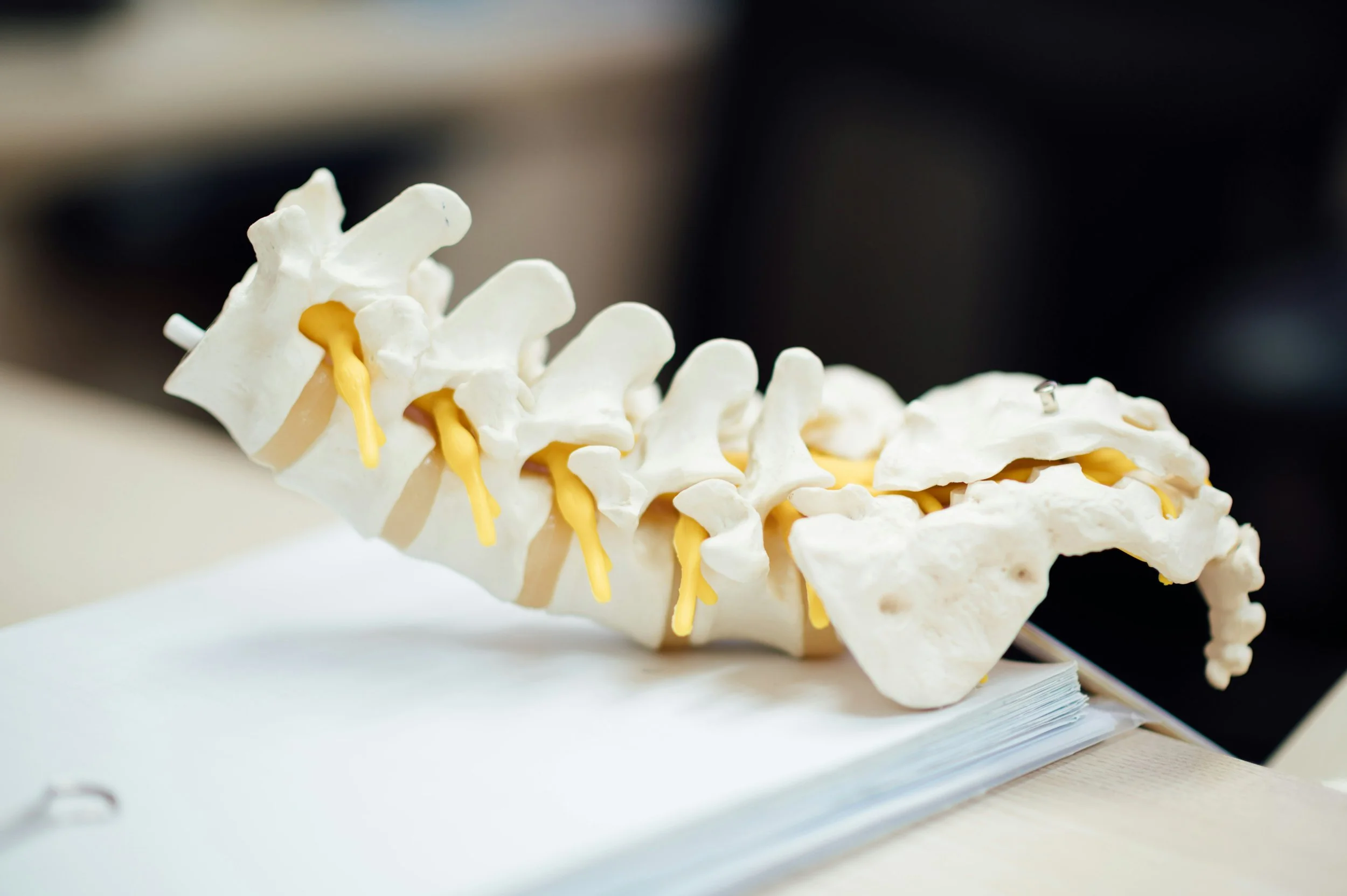
Osteopathy
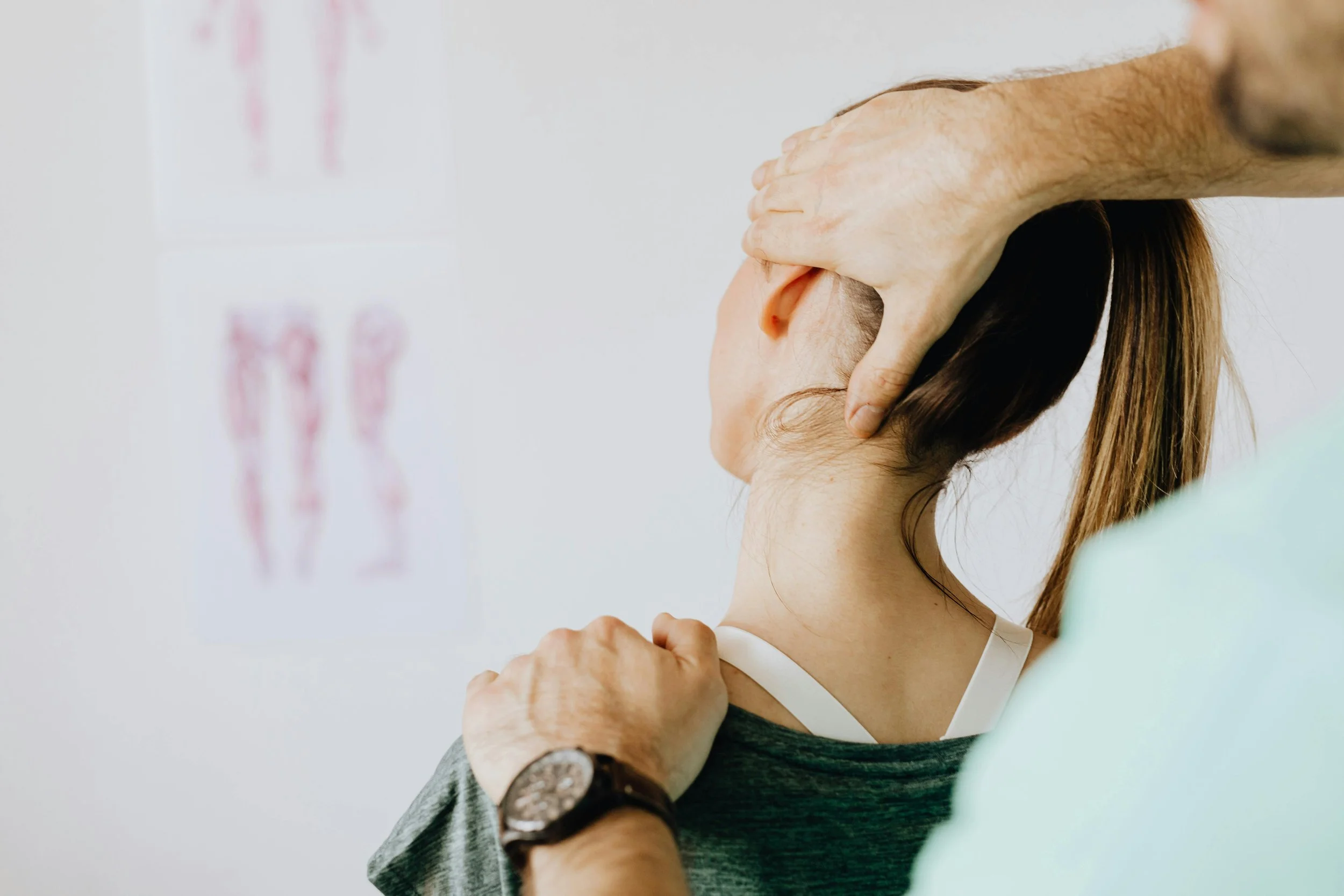
Osteopathy
Osteopathy is a hands-on form of healthcare that focuses on the relationship between the body’s structure and function, and how this connection influences movement, pain, and long-term health. Osteopathy aims to support the body’s ability to adapt by addressing how muscles, joints, nerves, and connective tissues work together as a complete system.
Osteopaths are university-trained and registered health practitioners who assess movement patterns, joint function, and soft tissue health to understand how dysfunction in one area may contribute to pain or reduced mobility elsewhere in the body. This whole-body perspective is central to osteopathic care and osteopathy treatment.
At Antegrity Osteopathy in Werribee, treatment is guided by a thorough assessment and clear, open communication. Your osteopath will work with you to develop an individualised osteopathy treatment plan, which may include manual therapy techniques, dry needling, movement and exercise guidance, and education, where appropriate.
Osteopathic care takes a whole-person approach, recognising that lifestyle factors such as work demands, posture, stress, and daily movement habits often influence musculoskeletal pain and recovery. Our aim is to work collaboratively with you to support safe, informed, and sustainable outcomes, with a focus on improving function, reducing pain, and supporting long-term wellbeing.
Spine & Posture
Neck pain and stiffness
Mid-back and lower back pain
Postural strain and spinal loading issues
Muscles & Soft Tissue
Muscle tension and strains
Tendon-related pain
Overuse and repetitive strain conditions
Work, Sport & Everyday Activity
Sports-related musculoskeletal injuries
Work-related aches and postural fatigue
Activity-related movement restrictions
Joints & Movement
Shoulder pain
Hip and pelvic discomfort
Knee pain
Ankle and foot pain
Head, Neck & Jaw
Tension-type headaches
Headache-related neck and upper back pain
Jaw pain and TMJ-related discomfort
Musculoskeletal contributors associated with migraine symptoms (where appropriate following assessment)
Migraine is a complex condition. Osteopaths may assess musculoskeletal factors that can coexist with headache symptoms and recommend a GP review where appropriate.
Nerve-Related Musculoskeletal Pain
Referred musculoskeletal pain
Mechanical nerve irritation (where appropriate, following assessment)
Important Information
Osteopathy focuses on the relationship between structure and function of the body. Care is tailored following individual assessment and clinical reasoning.
Osteopathic care does not replace medical care. Where symptoms fall outside an osteopath’s scope, involve red flags, or require further investigation, referral to another healthcare professional may be recommended.